Welcome to our company
 Get A Quote
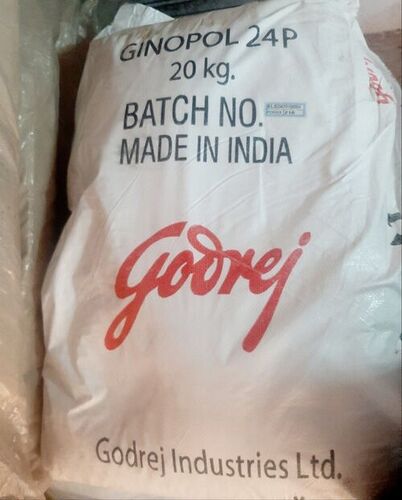



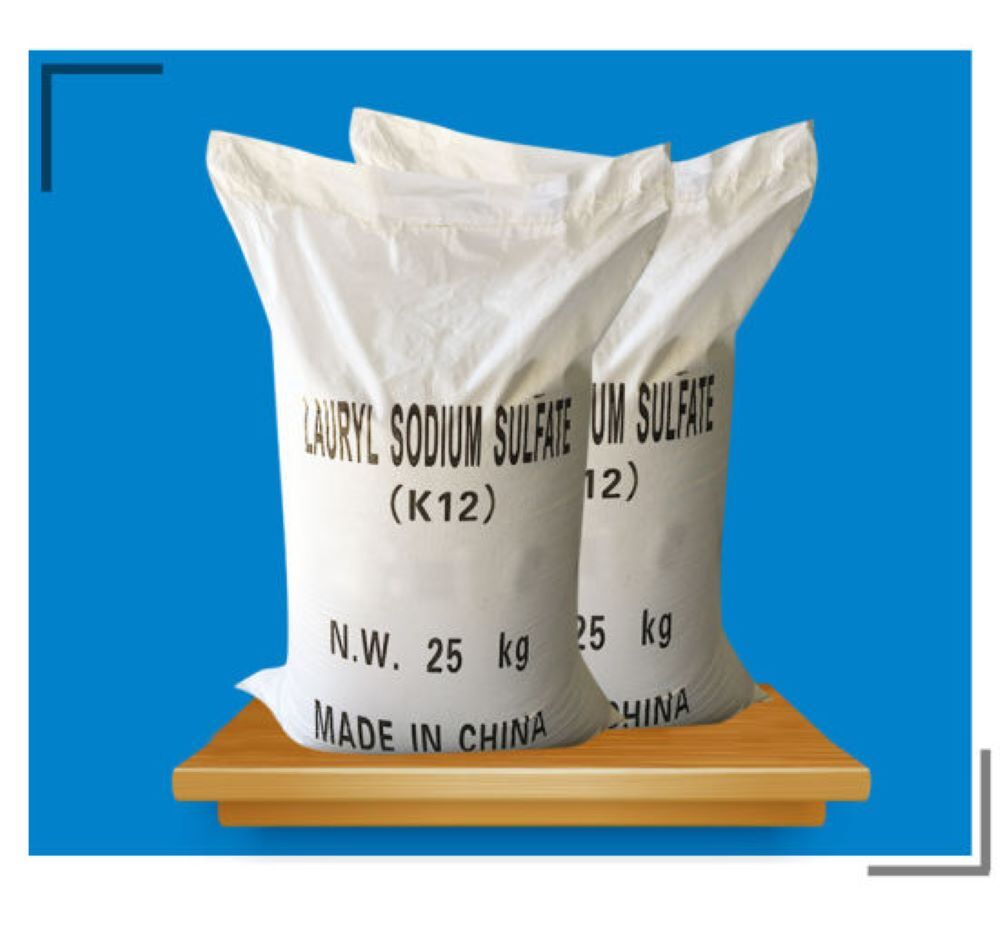
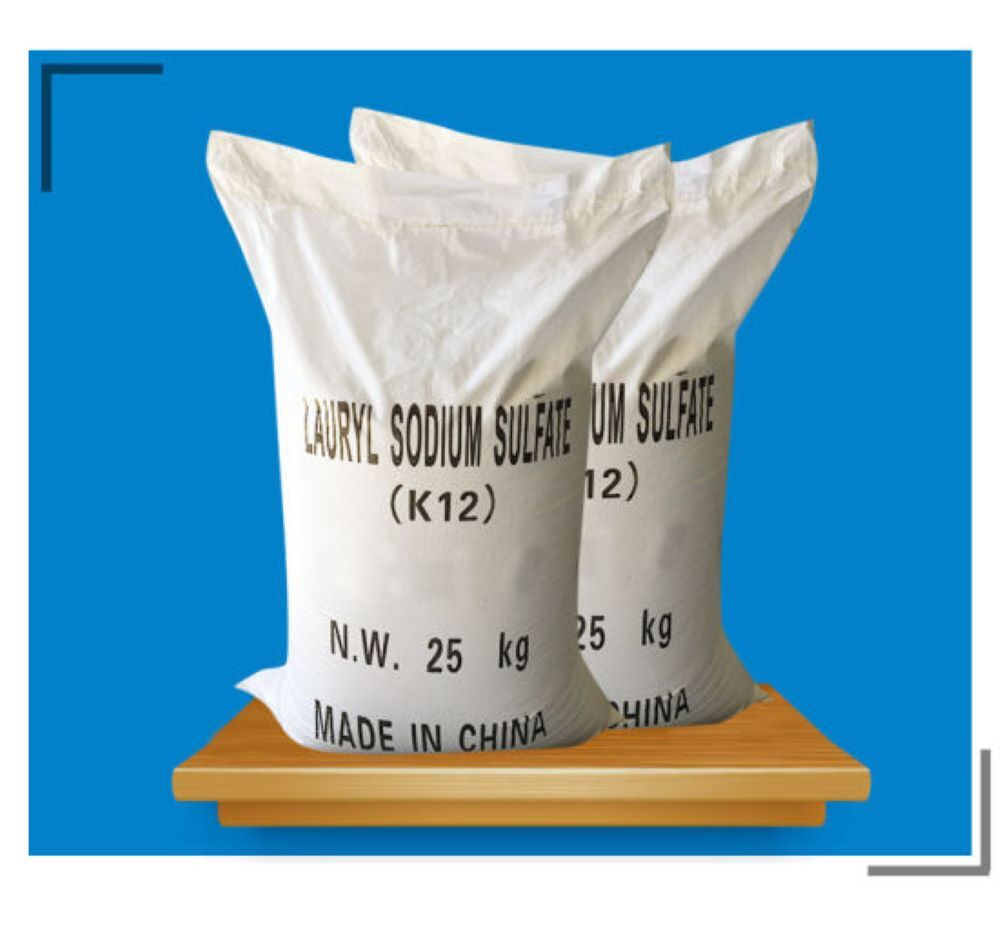

SODIUM LAURYL SULPHATE
160 INR/Kilograms
Product Details:
- Boiling point Decomposes before boiling
- Structural Formula CH3(CH2)11(OCH2CH2)nOSO3Na
- Other Names SLS, Sodium dodecyl sulfate
- Density 0.45 Gram per cubic centimeter(g/cm3)
- Molecular Formula Variable; typically around 421 g/mol (288.38 + 44.05n) g/mol
- Purity 98% min
- Smell Mild, characteristic odor
- Click to View more
X
SODIUM LAURYL SULPHATE Price And Quantity
- 160 INR/Kilograms
- 1000 Kilograms
- 160.00 - 160.00 INR/Kilograms
SODIUM LAURYL SULPHATE Product Specifications
- Decomposes before boiling
- Surfactant, cleansing agent
- CH3(CH2)11(OCH2CH2)nOSO3Na
- 0.45 Gram per cubic centimeter(g/cm3)
- Sodium Lauryl Sulphate
- SLS, Sodium dodecyl sulfate
- Variable; typically around 421 g/mol (288.38 + 44.05n) g/mol
- Mild, characteristic odor
- 205-788-1
- 98% min
- Detergent, wetting agent, and emulsifying agent
- Easily soluble in water, soluble in ethanol, insoluble in ether and chloroform
- 29209099
- Yes
- Keep tightly closed and store in a cool, dry, and well-ventilated area
- 7.5 9.5 (1% solution)
- Bitter
- Sodium Lauryl Sulphate
- 204C
- Industrial and Cosmetic grade
- Anionic Surfactant
- Powder or flakes
- Solid
- 151-21-3
- Used as an anionic surfactant in detergents, cleaning agents, toothpaste, shampoos, and cosmetics
- Complies with industrial and cosmetic standards
- 37.5 - 40.5 mN/m (1g/L water, 25C)
- Stable under recommended storage conditions
- 2 years from date of manufacture
- White or cream-colored powder/flakes
- 3% max
- 7.0 - 9.0
- 0.2%
- Max 20 ppm
- Non-hazardous as per transportation regulations
- Excellent
- Readily biodegradable
SODIUM LAURYL SULPHATE Trade Information
- EX BHIWANDI GODOWAN
- Cash Advance (CA), Cash on Delivery (COD), Cash in Advance (CID), Cheque, Letter of Credit (L/C)
- 1 Kilograms Per Day
- 2 Days
- Within a certain price range free samples are available
- 50 KGS BAG
- All India
Product Description
| Packaging Details | 50 Kg Bag |
| Purity % | 99% |
| Packaging Size | 50 kg |
| Packaging Type | Bag |
| Grade Standard | Industrial Grade |
| Color | White |
| Molecular Formula | C12H25NaO4S |
| Molecular Weight | 288.379269 g/mol |
| CAS No | 3088-31-1 |
| Physical State | Powder |
Key Features and Benefits
Sodium Lauryl Sulphate stands out for its exceptional foaming ability, reliable surface tension property, and versatility in cleaning and personal care formulations. Its high purity (98% min), low moisture content (max 3%), and low heavy metals (max 20 ppm) ensure safe and consistent performance in industrial and cosmetic applications. Additionally, its mild odor and biodegradable nature promote user safety and eco-friendliness.
Applications and Usage
SLS serves as a critical component in a variety of products including household detergents, liquid soaps, toothpaste, shampoos, and other cosmetic formulations. Its function as a surfactant ensures efficient removal of dirt and oils, while its wetting and emulsifying properties enhance formulation stability and cleaning efficacy.
Handling and Storage
For optimal shelf life and performance, sodium lauryl sulphate should be stored tightly closed in a cool, dry, and well-ventilated area. The powder or flakes maintain stability for up to two years and are safe to handle under typical conditions. While SLS is non-poisonous, it may cause irritation to skin or eyes on direct contact, so appropriate handling practices are recommended.
FAQs of SODIUM LAURYL SULPHATE:
Q: How should sodium lauryl sulphate be stored to maintain its quality?
A: Sodium lauryl sulphate should be kept tightly closed in a cool, dry, and well-ventilated area. Proper storage conditions help preserve its stability and guarantee a shelf life of two years from the date of manufacture.Q: What is the primary benefit of using sodium lauryl sulphate in cleaning and personal care products?
A: Sodium lauryl sulphate offers excellent foaming ability and efficient surface tension reduction, making it invaluable as a surfactant for removing dirt and oils in detergents, shampoos, toothpaste, and cosmetics.Q: Where is sodium lauryl sulphate commonly used?
A: SLS is found in a range of applications including household detergents, cleaning agents, toothpaste, shampoos, and diverse cosmetic products, owing to its superior cleaning and emulsifying properties.Q: Is sodium lauryl sulphate safe to transport and handle?
A: Sodium lauryl sulphate is classified as non-hazardous for transportation and complies with industrial and cosmetic standards. However, it may cause skin or eye irritation, so direct contact should be avoided and protective measures are advisable during handling.Q: What is the process for using sodium lauryl sulphate in formulations?
A: Sodium lauryl sulphate is typically dissolved in water or ethanol where its high solubility ensures easy incorporation. Its use in formulations depends on the desired foaming and emulsifying effects, with dosage tailored to specific product requirements.Q: How does the product contribute to environmental safety?
A: SLS is readily biodegradable, meaning it breaks down efficiently in the environment, reducing long-term ecological impact and supporting eco-friendly product development.Tell us about your requirement

Price:
Quantity
Select Unit
- 50
- 100
- 200
- 250
- 500
- 1000+
Additional detail
Mobile number
Email

Other Products in 'Powder Chemicals' category


Contact Us

- B - 401, Pranav Commercial Plaza, M.G. Road, Mulund West, Above Shiv Sena Office,Mumbai - 400080, Maharashtra, India
- Phone : 07971550559
MERU CHEM PVT. LTD.
GST : 27AAFCM9760K1ZV

- Mr. Manish K Shah (Director)
- Mobile : 07971550559
- Send Inquiry
- Email : inquiry@meruchem.in
 Send Inquiry
 Send Inquiry
 Send SMS
 Call Me Free
MERU CHEM PVT.LTD.
All Rights Reserved.(Terms of Use)
Developed and Managed by Infocom Network Private Limited.
Developed and Managed by Infocom Network Private Limited.


 English
 Spanish
 French
 German
 Italian
 Chinese (Simplified)
 Japanese
 Korean
 Arabic
 Portuguese